A quiet pattern is starting to surface in conversations between practitioners: AI search keeps digging up content everyone assumed was buried. A critical article published a decade ago, an outdated review page, a blog post describing a version of your business that no longer exists, any of it can resurface inside a ChatGPT answer, a Perplexity response or a Google AI Overview. The mechanism differs from what classic SEO taught us, where old content eventually slid out of the first pages and off everyone’s radar. Here, age no longer protects you. And that makes this topic worth the attention of anyone running a site, a brand, or even just a professional name.
TL;DR
AI answer engines cite old articles they consider reliable even when those pages stopped ranking on Google years ago.
Negative or outdated content can regain massive visibility inside generated answers, with zero warning signals on your traffic.
Press articles carry strong authority signals that AI systems keep treating as trustworthy regardless of publication date.
The fix is monthly brand monitoring across AI platforms plus publishing fresh content the engines will prefer to cite.
Summarize This Article with AI
ChatGPTWhy AI Search Digs Up What Google Had Buried
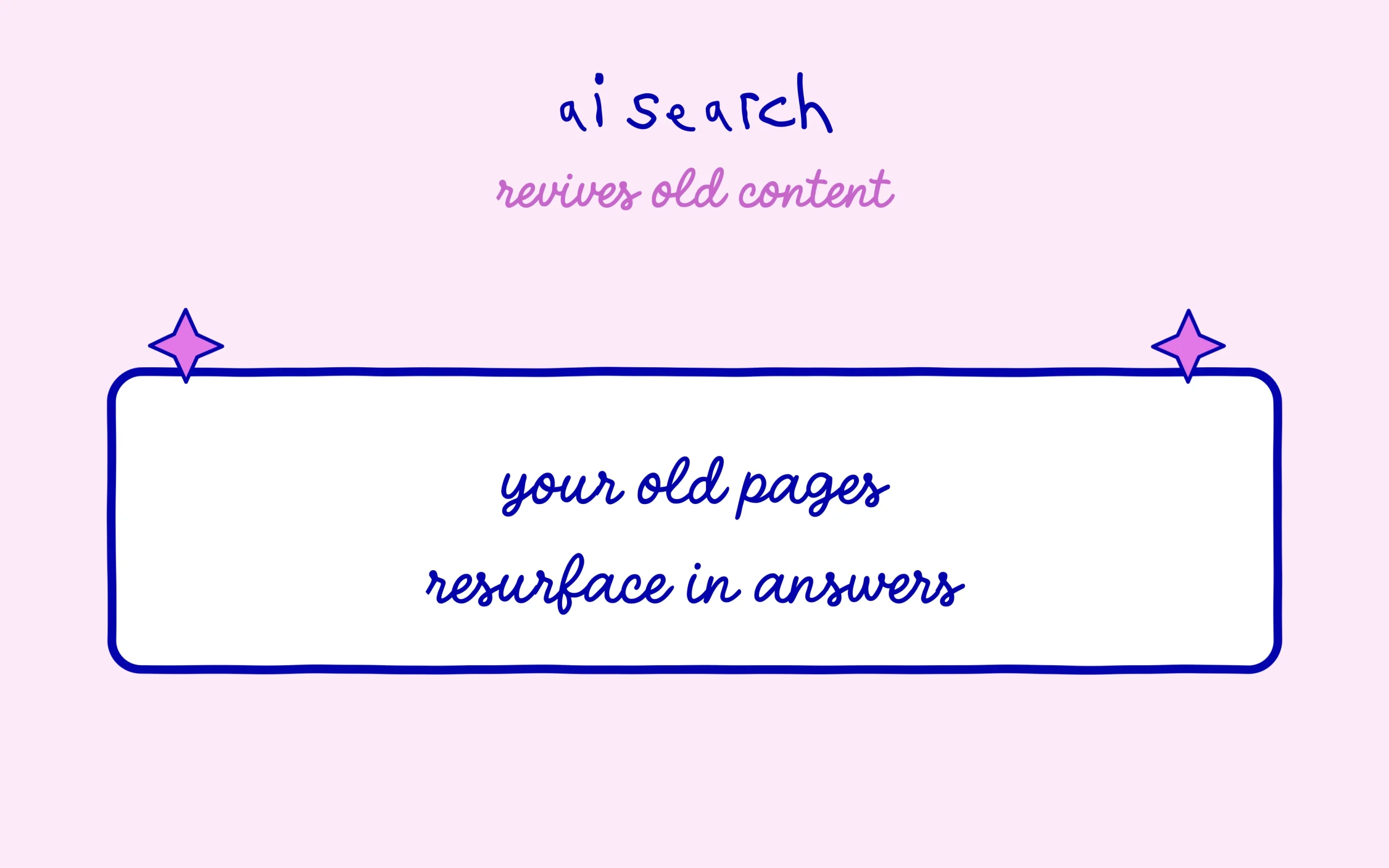
Classic search has a reassuring property: time does the cleanup. A page that stops earning links, clicks and updates gradually sinks through the results, and whatever damage it could cause fades with it. AI search breaks that mechanic. A system like ChatGPT or Perplexity does not rank pages, it selects sources it considers reliable to build an answer. And that selection leans heavily on authority signals that do not wear out with time.
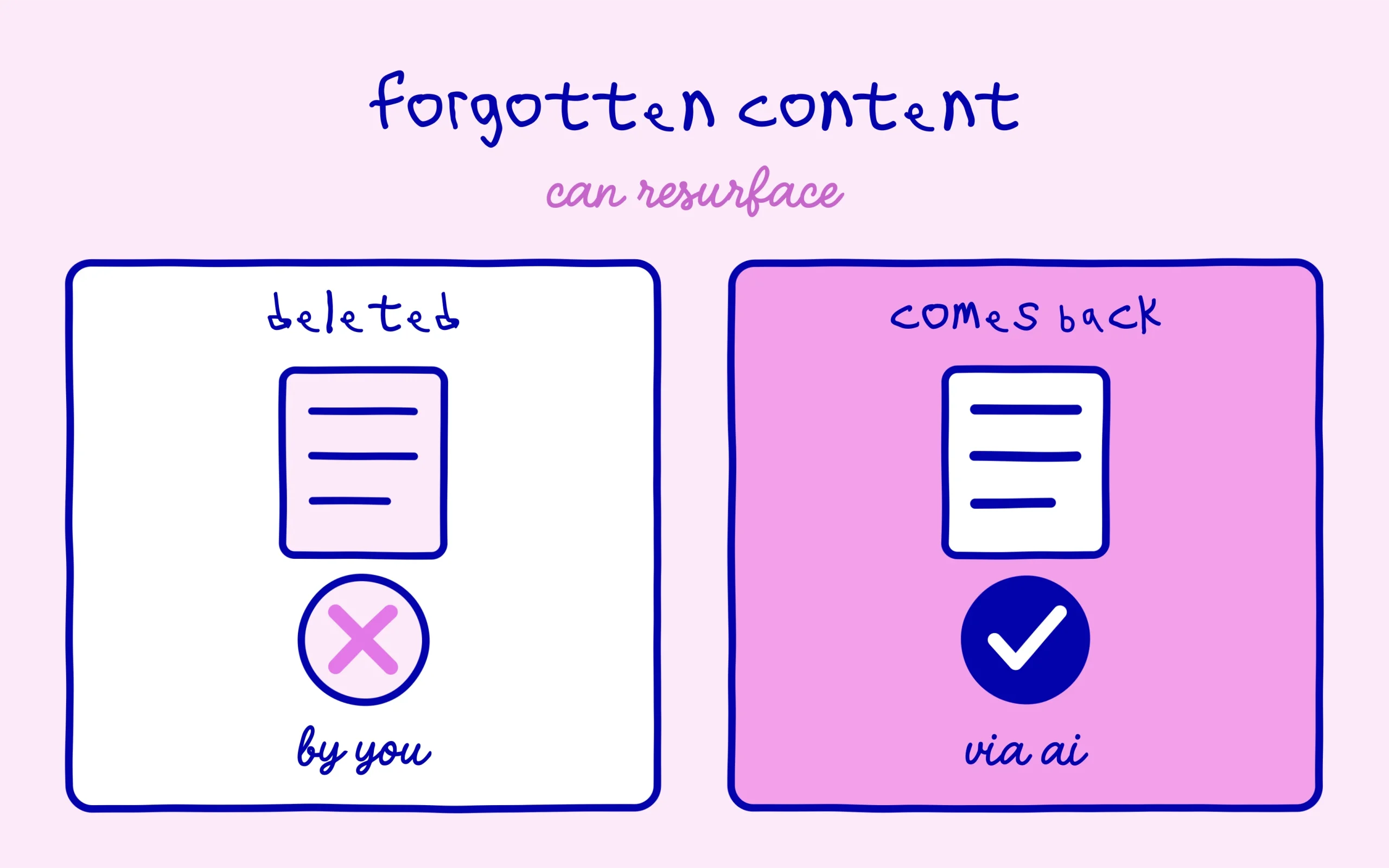
In practice, a press article keeps its trusted-source status years after publication. The outlet retains its domain authority, the page stays indexed, and the AI system treats it as a credible document even when the information inside expired long ago. A negative article from fifteen years back can trigger a reputation problem today, simply because an AI judges it citation-worthy. The logic matches what came up when Google clarified that no separate site is needed to be read by AI systems: generative engines work on the same web as everyone else, with their own selection criteria.
A concrete case has been making the rounds in the industry: a Midwest grocery chain went through a customer service issue in the mid-2010s, covered at the time by a local press article. Years later, Google’s AI Overviews started repeatedly citing that article in answers about the business. The page had long disappeared from traditional search results. The content had not become relevant again, it had simply stayed available and stamped reliable. And this kind of resurrection gives no warning: the chain changed nothing on its site, published nothing new, the whole shift happened on the answer engine’s side. One day the article was dormant, the next it was framing how an AI described the business to every person who asked.
What This Means When You Are Starting Out With Little Content
For a young site or a small business, the topic can feel remote. It is not, for one simple reason: the less content exists about you, the more weight every available document carries in what AI search says about you. An established brand with hundreds of recent articles naturally dilutes one old critical page. A beginner with three mentions online has no counterweight, and AI search will compose its answer with whatever it finds, even if what it finds is stale.
The shift mirrors what the data showed on the rise of zero-click Google searches: visibility increasingly plays out inside the answer itself, before any click reaches a site. Yet almost nobody spontaneously checks what ChatGPT or Perplexity say about their own brand. Site traffic does not move, Google positions hold steady, and meanwhile a generated answer may serve false or dated information on every query about your name. The blind spot is total until you go look for yourself.
That said, some perspective helps. Most beginner sites simply have no old negative coverage to worry about, and the far more common scenario involves outdated rather than hostile content: a former offer, an old positioning, a retired product page. Less dramatic than a reputation crisis, sure. But an AI describing your business with a three-year lag loses you customers just as surely as a bad review would. Think of a freelancer whose old rates page keeps getting cited, or a shop whose discontinued flagship product still headlines every generated answer about the brand. Nothing scandalous, just quietly wrong, month after month.
Monitor, Publish, Correct: The Three-Step Response
The first move is a monthly monitoring habit. Query the main AI platforms about your brand, your name or your product, and note what gets cited as a source. Tools like Otterly.ai, Mangools and Ahrefs Brand Radar specialize in tracking citations and sentiment across AI search experiences. For a beginner, a simple manual check each month on ChatGPT, Perplexity and Google is already enough to catch a problem before it settles in. Write down the sources each answer relies on, because the list changes over time and a new citation appearing in the mix is exactly the early signal you want to catch.
The second move is occupying the ground with content AI engines will prefer to cite. Publish original data, documented analysis, substantive content backed by verifiable facts, and diversify the credible sources talking about you. The logic is preventive: the denser the ecosystem of fresh content around your brand, the lower the odds an isolated old document gets selected as a source. That work also doubles as preparation for the 22 July 2026 launch of AI Overviews in France, which will extend this citation mechanism to the whole French-speaking market.
The third move handles the most damaging cases at the source. When content is factually wrong or obsolete, contacting the publisher to request an update or removal remains the most direct route, and services like removenews.ai now generate those personalized removal requests for you. Traditional reputation tools keep their place alongside all this. The overall takeaway fits in one line: the game moves from suppressing negatives to influencing sources AI systems rely on to answer. It is ongoing work rather than a one-off operation, and whoever starts now gets ahead of a problem most people will discover too late, probably the day a prospect mentions something an AI told them.